0
-
An empty cart
You have no item in your shopping cart



The mobile gaming industry has experienced unprecedented growth over the past few years. As technology continues to evolve, and smartphone capabilities expand, the landscape of gaming is rapidly changing. With an increasing number of players engaging in mobile games, the statistics and insights behind this phenomenon are becoming more critical than ever. In this article, we’ll delve into the current trends, user preferences, and what the future might hold for mobile gaming enthusiasts. Additionally, you can check out resources at Mobile Gaming Insights For Online Casino Free Spins No Deposit https://www.trainstudy.no/ for further learning.
Once considered a niche market, mobile gaming has evolved into a predominant force in the gaming industry. According to recent statistics, mobile gaming accounts for nearly 50% of the total gaming market, indicating a shift in how players consume games. This increase has been spurred by the accessibility of smartphones and tablets, allowing users to play games anytime, anywhere.
Understanding who the mobile gamers are is crucial for developers and marketers. The demographics of mobile gamers have expanded significantly. While young adults have traditionally dominated the gaming scene, recent trends indicate that a broader range of age groups is engaging in mobile gaming. Data suggests that more than 65% of older adults aged 50 and above now play games on their smartphones, which shows that mobile gaming is appealing to a demographic that previously may not have participated.
Different game genres have found success on mobile platforms. Puzzle games continue to dominate, with titles like “Candy Crush” and “Bejeweled” capturing the attention of millions. However, genres such as action, adventure, simulation, and role-playing games (RPGs) have also made significant inroads in the mobile space.
One of the growing trends is the emergence of hyper-casual games that require minimal commitment and offer quick plays. Titles like “Flappy Bird” and “Crossy Road” exemplify this trend, boasting millions of downloads and players who enjoy short bursts of gameplay.
Technology plays a pivotal role in shaping the mobile gaming experience. Innovations such as augmented reality (AR) have transformed the way players interact with games. “Pokémon GO” is a prime example that showcased the potential of AR by encouraging players to explore the real world while playing. Additionally, advancements in mobile processors and graphics capabilities are making it possible to create more sophisticated and visually appealing games, blurring the lines between mobile and console gaming.
Mobile games often incorporate social features, allowing players to connect and compete with friends and other gamers around the world. Multiplayer modes and social connectivity are integral aspects of many mobile games today. The rise of collaborative gaming has fostered a sense of community among players, as they share achievements and compete for high scores.
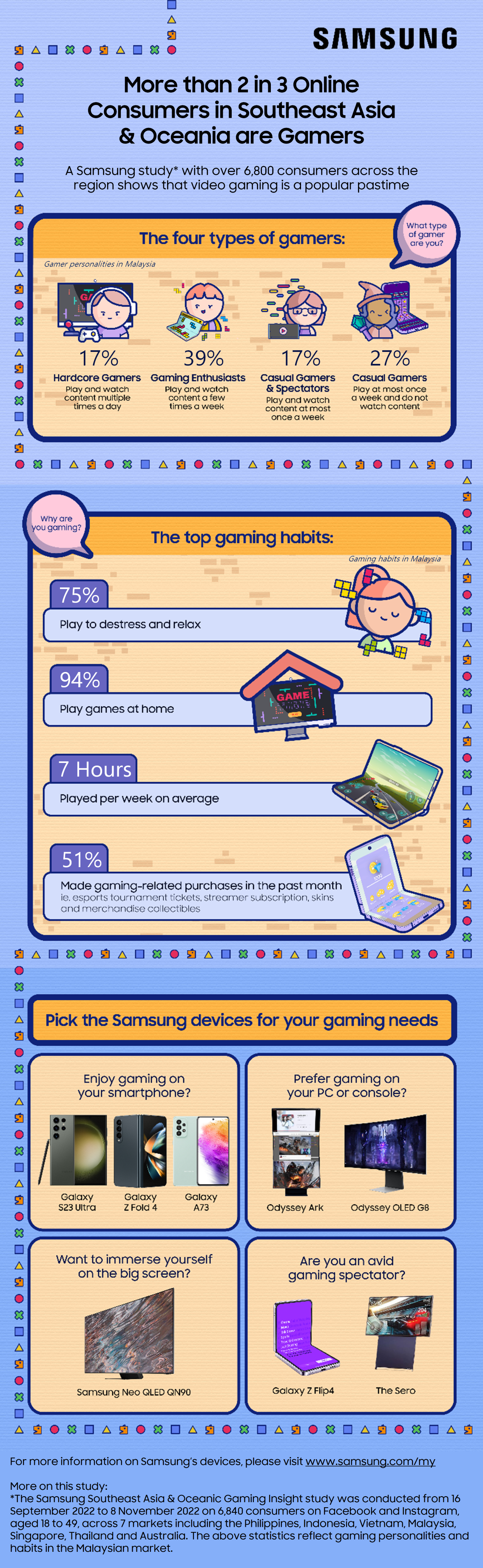
Furthermore, platforms like Discord and Twitch have allowed players to come together, share gaming experiences, and build deeper connections, enhancing the overall gaming journey.
Monetization in mobile gaming has evolved alongside the industry. Traditionally, games required a one-time purchase to download. However, the freemium model – where the game is free to play, but players can purchase in-game items or features – has gained immense popularity. This model allows developers to earn revenue while providing players access to the game without initial costs.
In-app purchases, advertisements, and subscriptions are also prevalent monetization strategies. As players become accustomed to these models, developers must balance monetization with user experience to retain their audience.
The COVID-19 pandemic has significantly impacted the gaming industry, particularly mobile gaming. With many individuals facing lockdowns and social distancing, mobile gaming emerged as a popular form of entertainment. Reports indicate a surge in downloads and player engagement during this period, indicating that mobile games served as a respite from the challenges of the pandemic.
Looking ahead, the future of mobile gaming is likely to be shaped by several factors. One of the most significant trends is the integration of cloud gaming. As 5G technology expands, players will be able to stream high-quality games directly to their mobile devices without the need for high-end hardware. This shift may democratize gaming further, allowing anyone with a smartphone to access console-quality games.
Moreover, developments in artificial intelligence (AI) may lead to more personalized gaming experiences, adapting gameplay to individual preferences and skill levels. As mobile gamers continue to seek unique and engaging experiences, developers will need to innovate continually, whether through gameplay mechanics, narrative depth, or graphics quality.
Mobile gaming is no longer a secondary market; it has firmly established itself as a cornerstone of the broader gaming industry. With evolving technology and changing demographics, the mobile gaming landscape is rich with opportunity. Developers who can harness these insights, adapt to trends, and prioritize user experience will likely thrive in an ever-competitive market. As we look forward, it’s clear that the future of mobile gaming is not only bright but filled with possibilities that have yet to be explored.